

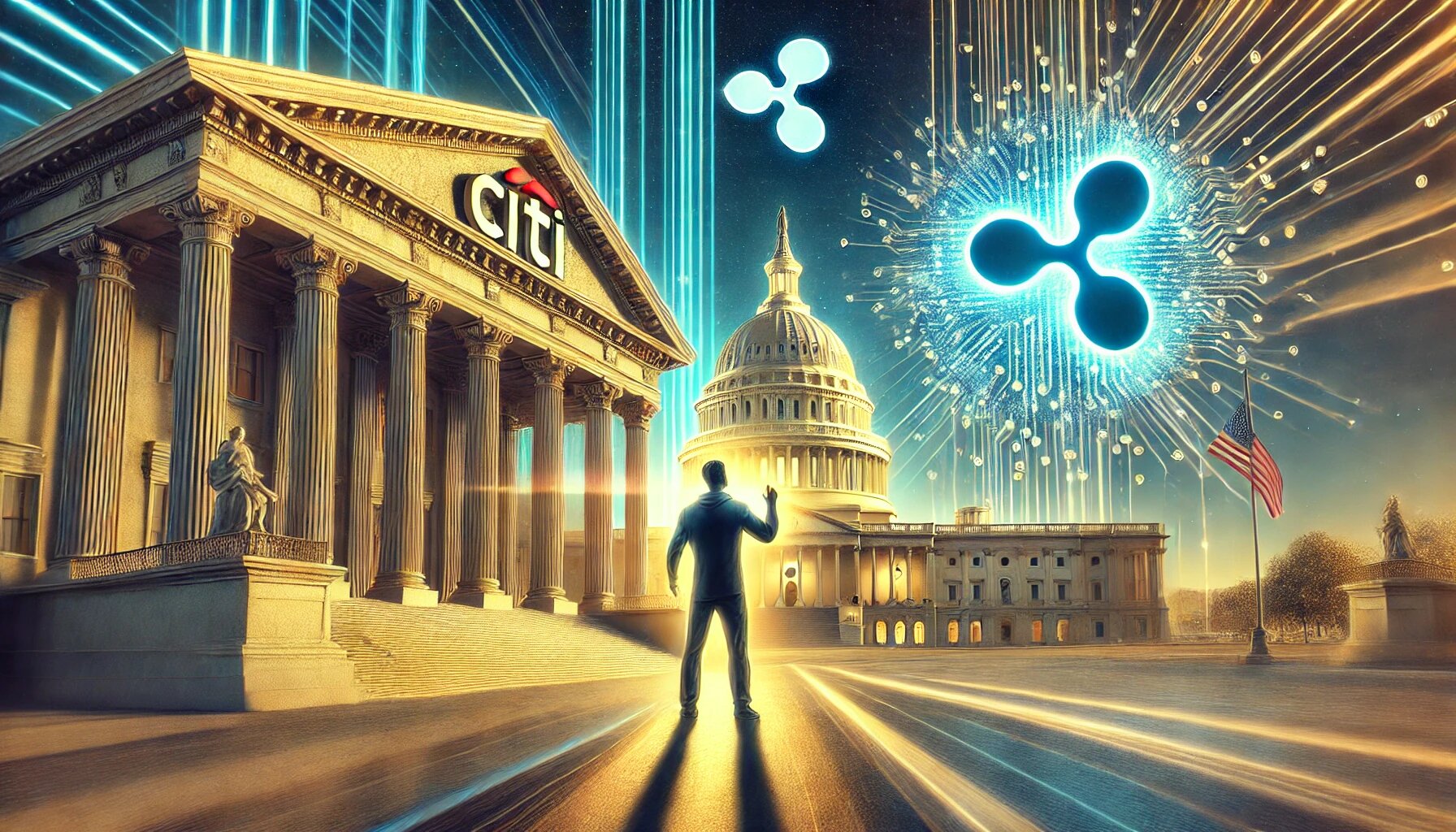
នាយកប្រតិបត្តិ Ripple រិះគន់សហរដ្ឋអាមេរិកចំពោះការរារាំងកំណើនគ្រីបតូ បន្ទាប់ពី Citi កាត់ចំណង
ថ្មីៗនេះនាយកប្រតិបត្តិ Ripple លោក Brad Garlinghouse បានធ្វើសេចក្តីថ្លែងការណ៍ខ្លាំងអំពីរបៀបដែលសហរដ្ឋអាមេរិកកំពុងប្រព្រឹត្តិចំពោះក្រុមហ៊ុនរូបិយប័ណ្ណគ្រីបតូ។ បន្ទាប់ពី Citi បានដកធនាគារ Ripple ដោយមិននឹកស្មានដល់ Garlinghouse បានសំដៅទៅលើវាថាជាផ្នែកនៃ "រជ្ជកាលនៃភេរវកម្ម" ធំជាងប្រឆាំងនឹងឧស្សាហកម្មគ្រីបតូ។ គាត់មើលឃើញថាការផ្លាស់ប្តូរនេះគឺជាជំហានមួយទៀតនៅក្នុងអ្វីដែលគាត់ជឿថាជាយុទ្ធនាការអយុត្តិធម៌ក្នុងការកំណត់ការច្នៃប្រឌិតនៅក្នុងវិស័យនេះ។
Garlinghouse បានពន្យល់ថាក្រុមហ៊ុនគ្រីបតូបានប្រឈមមុខនឹងបញ្ហាឥតឈប់ឈរនៅក្នុងសហរដ្ឋអាមេរិក ចាប់ពីឧបសគ្គផ្នែកច្បាប់រហូតដល់បណ្តឹង។ សម្រាប់ Ripple នេះជាការពិតជាពិសេសនៅពេលដែលពួកគេបន្តប្តឹងតវ៉ាជាមួយ SEC អំពីថាតើនិមិត្តសញ្ញា XRP របស់ពួកគេគួរតែត្រូវបានចាត់ទុកថាជាសន្តិសុខ។ ការសម្រេចចិត្តរបស់ Citi ក្នុងការកាត់ផ្តាច់ទំនាក់ទំនងជាមួយ Ripple គឺគ្រាន់តែជាការថយក្រោយចុងក្រោយបង្អស់នៅក្នុងការប្រយុទ្ធដែលកំពុងបន្តនេះ។
នាយកប្រតិបត្តិបានសង្កត់ធ្ងន់ថាខណៈពេលដែលសហរដ្ឋអាមេរិកកំពុងធ្វើឱ្យវាកាន់តែពិបាកសម្រាប់ក្រុមហ៊ុនគ្រីបតូដើម្បីធ្វើប្រតិបត្តិការប្រទេសផ្សេងទៀតកំពុងឆ្ពោះទៅមុខហើយគាំទ្របច្ចេកវិទ្យា blockchain ។ លោកបានព្រមានថា ជំហរដ៏គឃ្លើននេះ កំពុងជំរុញឱ្យអាជីវកម្មដូចជា Ripple ស្វែងរកបរិយាកាសអំណោយផលបន្ថែមទៀតនៅខាងក្រៅសហរដ្ឋអាមេរិក។
សាររបស់ Garlinghouse ទៅកាន់រដ្ឋាភិបាលសហរដ្ឋអាមេរិកគឺសាមញ្ញ៖ បញ្ឈប់ការវាយប្រហារលើឧស្សាហកម្មគ្រីបតូ ឬប្រថុយនឹងការបាត់បង់ឱកាសនាពេលអនាគត។ ការប្រយុទ្ធរបស់ Ripple ដើម្បីរក្សាគ្រីបតូនៅសហរដ្ឋអាមេរិកគឺនៅឆ្ងាយ។
Brad Garlinghouse Calls U.S. Stance on Crypto a "Reign of Terror"
In a world where financial freedom is often touted as a right, Ripple’s CEO, Brad Garlinghouse, has found himself at the center of a growing storm. His recent remarks about the U.S. government and its treatment of cryptocurrency companies have struck a chord with many in the industry. The latest blow came when Citi unexpectedly de-banked Ripple, cutting off one of its key banking relationships. To Garlinghouse, this was more than just an inconvenience—it was a calculated move in what he describes as a "reign of terror" against the crypto sector.
The debanking occurred amid an increasingly tense relationship between crypto firms and traditional financial institutions. For years, these companies have fought an uphill battle, navigating regulatory hurdles and facing constant scrutiny. Garlinghouse’s frustration is clear. He believes that U.S. regulators, particularly under the current administration, are waging an unfair war against cryptocurrency, stifling innovation, and making it difficult for blockchain companies to operate freely.
Garlinghouse didn’t hold back. “The U.S. has created an environment of fear and uncertainty,” he said. “Instead of fostering innovation, they are driving companies out of the country.” Ripple, a leader in blockchain-based payments, has long been a target of the U.S. Securities and Exchange Commission (SEC), facing a high-profile lawsuit over whether its XRP token constitutes a security. This latest debanking by Citi, Garlinghouse argues, is just another chapter in a broader effort to marginalize crypto companies.
The CEO also pointed out that while other countries are embracing blockchain technology, the U.S. is falling behind. In his view, the U.S. government's aggressive stance is pushing companies like Ripple to consider relocating to more crypto-friendly jurisdictions.
As Garlinghouse navigates Ripple through these troubled waters, his message to the U.S. government is clear: stop the assault on crypto, or risk losing a significant economic opportunity. For Ripple, this fight is far from over.
2. Simplified Version (200+ Words)
Ripple CEO Brad Garlinghouse recently made strong statements about how the U.S. is treating cryptocurrency companies. After Citi unexpectedly de-banked Ripple, Garlinghouse referred to it as part of a larger "reign of terror" against the crypto industry. He sees this move as another step in what he believes is an unfair campaign to limit innovation in the sector.
Garlinghouse explained that crypto companies have faced constant challenges in the U.S., from regulatory hurdles to lawsuits. For Ripple, this has been especially true, as they continue to battle a lawsuit with the SEC about whether their XRP token should be considered a security. Citi’s decision to cut ties with Ripple is just the latest setback in this ongoing fight.
The CEO emphasized that while the U.S. is making it harder for crypto firms to operate, other countries are moving ahead and supporting blockchain technology. He warned that this aggressive stance is driving businesses like Ripple to look for more favorable environments outside the U.S.
Garlinghouse’s message to the U.S. government is simple: stop attacking the crypto industry, or risk losing out on future opportunities. Ripple's fight to keep crypto alive in the U.S. is far from over.

 984.545 SRY