
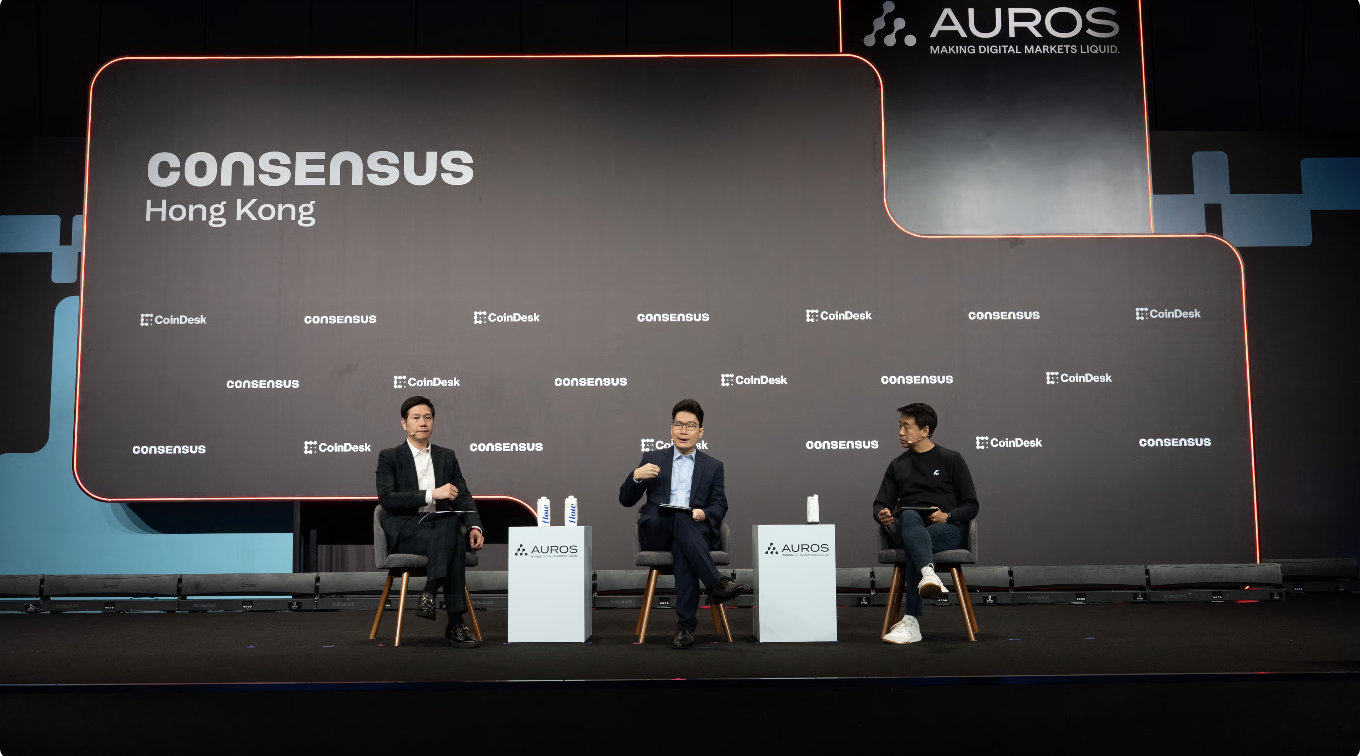
ហុងកុង បន្តទំនាក់ទំនងជាមួយទ្រព្យសកម្មឌីជីថល និងក្រមផ្លូវការវិនិយោគទ្រព្យវីរុសវិមានដូច្នេះ ប៉ុន្តែមានមុខស្នាដៃសម្របសម្រួលពីសហរដ្ឋអារ៉ាប់អ៊ីមីរ៉ាតដែលប្រកួតប្រជែងយ៉ាងទូលំទូលាយ។ នៅសន្និសីទ Consensus Hong Kong ២០២៦, អ្នកសំខាន់ៗដូចជា Joseph Chan អនុលេខាធិការនៃសេវាកម្មហិរញ្ញវត្ថុរបស់ហុងកុង និង Johnny Ng អ្នកបង្កើតក្រុមហ៊ុនវិនិយោគវេប3 Goldford បានពិភាក្សាអំពីការប្រឈម និងឱកាសដែលហុងកុងប្រឈមមុខក្នុងការចាំបាច់រក្សាទីតាំងដ៏សំខាន់ក្នុងការគ្រប់គ្រង និងបង្កើតឱកាសវិនិយោគទ្រព្យវីរុសវិមាន។
សហរដ្ឋអារ៉ាប់អ៊ីមីរ៉ាត ជាពិសេសទីក្រុងដូបៃ និងអាប់ដាប៊ី បានកិច្ចសហការយ៉ាងខ្លាំងដោយបង្កើតប្រព័ន្ធគ្រប់គ្រងប្រកបដោយសុវត្ថិភាព និងច្បាស់លាស់សម្រាប់ទ្រព្យវីរុសវិមាន។ ប្រព័ន្ធនេះមានអំពើគ្រប់គ្រងមួយកន្លែងដែលសំរាប់គ្រប់គ្រងសកម្មភាពទាក់ទងនឹងទ្រព្យដ៏ទំនើប។ វាគឺជាគំរូដែលហុងកុងអាចយកមកអនុវត្ត ដើម្បីធ្វើឱ្យការគ្រប់គ្រងផ្នែកនេះកាន់តែងាយស្រួល និងច្បាស់លាស់។
Johnny Ng បានចង់ឲ្យក្រុមប្រឹក្សាផ្លូវច្បាប់នៃហុងកុងគិតពិចារណាការបង្កើតតំណែងមានសមត្ថកិច្ចមួយដែលមានភារកិច្ចគ្រប់គ្រងវិនិយោគទ្រព្យវីរុសវិមានទាំងមូល ដូចជាគំនិតនៅសហរដ្ឋអារ៉ាប់អ៊ីមីរ៉ាត និងកូរ៉េខាងត្បូង។ ដោយគាត់តែងតែបំពេញតួនាទីជាសមាជិកក្រុមការងារ CPPCC នៃចិន ដូច្នេះគាត់ផ្តល់សេវាជួយភ្ជាប់ក្រុមហ៊ុនរដ្ឋាភិបាលហុងកុង និងសមាជិកសភាការជាតិកម្ពុជា និងប្រទេសដទៃទៀត។
Joseph Chan បានបង្ហាញពីកម្លាំងរបស់ហុងកុងនៅសកលវិជ្ជាជីវៈគឺមានប្រព័ន្ធគ្រប់គ្រងដែលច្បាស់លាស់ ដោយគ្មានការភ្នាក់ងារដែលធ្វើឲ្យមានភាពចំរូងចំរាស។ ការគ្រប់គ្រងនេះបានបង្ហាញតម្លាភាពច្បាស់លាស់ និងអាចទុកចិត្តបានសម្រាប់វិស័យទ្រព្យវីរុសវិមានផងដែរ ទោះបីជានៅក្នុងពេលផ្សារធ្លាក់ ឬពេលទីផ្សាររីកចម្រើនក៏ដោយ។
ប្រព័ន្ធបណ្ដុះបណ្ដាលអាជ្ញាបណ្ណសម្រាប់វេទិកាភាគហ៊ុនវីរុសវិមាននៅហុងកុងបានចាប់ផ្តើមរយៈពីរឆ្នាំកន្លងមក ហើយខណៈនេះមានវេទិកា ១១ កន្លែងទទួលបានអាជ្ញាបណ្ណ។ ទាំងនេះបង្ហាញពីការរីកចម្រើនជាគន្លងដ៏ស្មុគស្មាញនៅលើវិស័យនេះ។ ក៏ប៉ុន្តែ ប្រព័ន្ធគ្រប់គ្រងសម្រាប់ស្ដាបលខូយ៉ិន នឹងចាប់ផ្តើមចេញវិញនៅត្រីមាសទី១ ឆ្នាំ ២០២៦ ខាងមុខ។ ចំណែកប្រព័ន្ធអាជ្ញាបណ្ណសម្រាប់អ្នកលក់ និងអ្នករក្សាទ្រព្យវីរុសវិមាន ត្រូវរំពឹងថានឹងត្រូវផ្តល់ធ្វើការពិគ្រោះយោបល់ និងពិនិត្យដោយរដ្ឋមន្ត្រីហិរញ្ញវត្ថុឆ្នាំនេះ។
Joseph Chan ផ្ដល់កំណត់សំខាន់លើភាពសំខាន់នៃដំណើរការច្បាស់លាស់ រឹងមាំ ហើយមានការពិគ្រោះយោបល់ជាមួយម្ចាស់ខ្លួនក្នុងឧស្សាហកម្ម មុនពេលចេញច្បាប់ ដើម្បីទប់ស្កាត់ការភាន់ច្រឡំ និងការផ្លាស់ប្ដូរយ៉ាងឆាប់រហ័ស។ វានាំឲ្យឧស្សាហកម្មទាំងមូលមានចំណេះដឹងលម្អិតពីអនាគត និងការរំពឹងទុក។
Hong Kong remains committed to digital assets but feels competition from an ‘aggressive’ UAE
ដោយសារតែហុងកុងនៅតែរឹងមាំក្នុងការកសាងប្រព័ន្ធទ្រព្យវីរុសវិមានតាមរយៈច្បាប់យ៉ាងច្បាស់លាស់ និងច្បាស់ថា ស្តាប់យល់ព្រមពីសាធារណជនផងដែរ ចំណែកវិញប្រទេសមានការប្រកួតប្រជែងប្រកួតប្រជែងយ៉ាងខ្លាំង ពីហាងក្រុមហ៊ុន ដែលមានការផ្តោតលើខ្លួនរហ័ស ដូចជា UAE។ ការអនុវត្តគោលការណ៍គ្រប់គ្រងមួយកន្លែង និងការសហការអន្តរជាតិសម្រាប់ក្រមស្ដង់ដារ អាចជួយបង្កើនទីតាំងរបស់ហុងកុងនៅក្នុងវិស័យវីរុសវិមានបាន។
Hong Kong remains a committed global financial center for digital assets and cryptocurrency but is increasingly aware of competitive pressures from the aggressively crypto-friendly United Arab Emirates (UAE). At Consensus Hong Kong 2026, key figures including Joseph Chan, Hong Kong's undersecretary for financial services and the treasury, and Johnny Ng, founder of the web3-focused Goldford Group, discussed the challenges and opportunities facing Hong Kong in maintaining its leading position in virtual asset regulation and innovation.
The UAE, particularly Dubai and Abu Dhabi, has made significant strides by establishing a robust regulatory framework for virtual assets. These Emirates operate under centralized regulatory authorities dedicated solely to managing virtual asset activities, which offers clear governance and direction for crypto businesses. Such a model contrasts with Hong Kong's more fragmented approach and is an example that Hong Kong could consider adopting to streamline oversight and enhance regulatory clarity.
Johnny Ng, who is also a member of the China National Committee for the Chinese People’s Political Consultative Conference (CPPCC), emphasized the UAE’s aggressive push in the digital asset space. He urged Hong Kong's legislative council to consider creating a single oversight position or authority responsible for effectively managing and integrating all aspects of digital asset regulation, similar to the approach taken by both the UAE and South Korea. Ng expressed his intent to assist government efforts by linking Hong Kong with foreign lawmakers to foster better international relationships and policy adoption, especially inspired by Korea's experience, which has a high number of crypto investors.
Joseph Chan highlighted one of Hong Kong's enduring strengths: regulatory predictability and transparency. He noted Hong Kong's consistency in supporting the digital asset sector even through volatile market phases, like crypto winters, setting it apart from jurisdictions that vacillate between supportive and restrictive postures. This regulatory continuity provides a stable environment for businesses and investors.
Hong Kong has implemented a mandatory licensing system for virtual asset trading platforms (VATPs) which has been in effect for over two years. To date, 11 platforms have obtained licenses, demonstrating a cautious but progressing regulatory ecosystem. Meanwhile, Hong Kong has introduced a regulatory regime for stablecoins, with the first licenses expected to be issued in the first quarter of 2026. The next regulatory phase includes licensing for digital asset dealers and custodians, anticipated to be proposed by the financial secretary later in the year after consultations and legislative processes.
Chan underlined the importance of a thorough and transparent legislative process, ensuring industry stakeholders have ample opportunity to provide input before regulations take effect, thus avoiding uncertainties and unexpected shifts. This approach aims to reinforce confidence among digital asset participants by clarifying legal expectations well ahead of implementation.
Overall, while Hong Kong remains committed to building its digital asset ecosystem with well-defined, predictable regulations, it recognizes the competitive advances made by more aggressive jurisdictions like the UAE. There is a suggestion that adopting a centralized regulatory oversight model and more international legislative collaboration could strengthen Hong Kong's position amid a rapidly evolving global virtual asset landscape.

 2833.093 SRY