

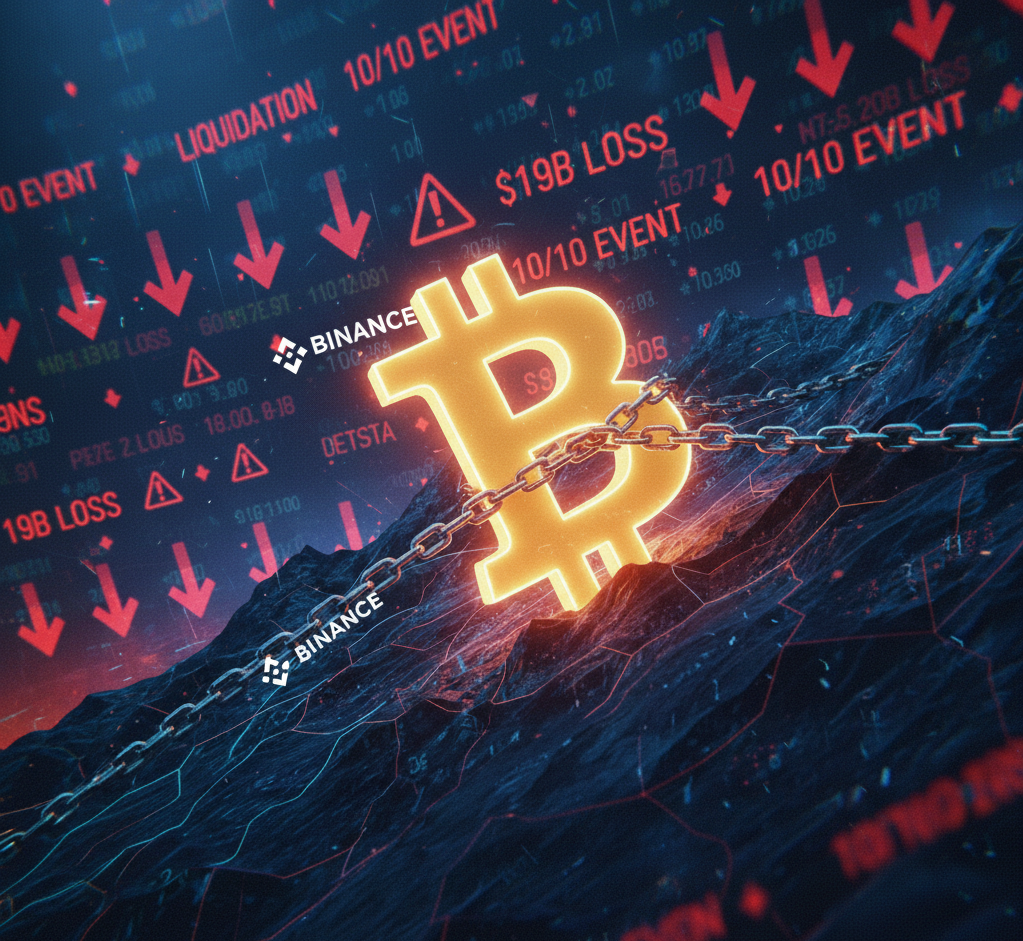
ព្រឹត្តិការណ៍រំលាយទ្រព្យសម្បត្តិ (Liquidation) ដ៏កាចសាហាវរបស់ Bitcoin កាលពីថ្ងៃទី១០ ខែតុលា ប្រហែលជាបានកន្លងផុតទៅជាច្រើនខែហើយ ប៉ុន្តែផលប៉ះពាល់របស់វានៅតែបន្តលងបន្លាចទីផ្សារគ្រីបតូ (Crypto) ហើយ Binance នៅតែស្ថិតក្នុងចំណុចកណ្តាលនៃព្យុះនេះ។
ការដួលរលំនេះបានបំផ្លាញទីតាំងជួញដូរដែលប្រើប្រាស់អានុភាព (Leveraged positions) ប្រហែល ១៩ ពាន់លានដុល្លារ ក្នុងរយៈពេលតែមួយថ្ងៃប៉ុណ្ណោះ ដែលធ្វើឱ្យ Bitcoin ធ្លាក់ចុះជាង ១២% និងបង្ហាញឱ្យឃើញពីភាពផុយស្រួយនៃសាច់ប្រាក់ងាយស្រួល (Liquidity) ក្នុងទីផ្សារគ្រីបតូ។ ចាប់តាំងពីពេលនោះមក សន្ទស្សន៍បញ្ជាទិញនៅតែមានកម្រិតទាប គម្លាតតម្លៃទិញ-លក់កាន់តែរីកធំ និងទំនុកចិត្តត្រូវបានរង្គោះរង្គើ ដោយតម្លៃ BTC បានធ្លាក់ចុះពីប្រហែល ១២៥,០០០ ដុល្លារ មកនៅត្រឹមជិត ៧៧,០០០ ដុល្លារ។
អាជីវករជាច្រើនបានដាក់ការសង្ស័យទៅលើ Binance ដែលជាក្រុមហ៊ុនប្តូរប្រាក់គ្រីបតូធំបំផុតរបស់ពិភពលោក ដោយចោទប្រកាន់ថាជាអ្នកបង្កឱ្យមាន ឬធ្វើឱ្យការធ្លាក់ចុះនេះកាន់តែអាក្រក់ទៅៗ។ អ្នករិះគន់បានចង្អុលបង្ហាញពីឥទ្ធិពលលុបលើសលប់របស់ Binance ក្នុងការជួញដូរឧបករណ៍ហិរញ្ញវត្ថុដេរីវេ (Derivatives) និងការខ្វះការលាតត្រដាងលម្អិតបន្ទាប់ពីព្រឹត្តិការណ៍នោះ ដែលពួកគេនិយាយថាបានជំរុញឱ្យមានការមិនទុកចិត្ត និងទ្រឹស្តីសមគំនិតផ្សេងៗ។
Binance បានបដិសេធយ៉ាងដាច់អហង្ការចំពោះការចោទប្រកាន់ទាំងនេះ។ ក្រុមហ៊ុនថា ការដួលរលំនេះត្រូវបានជំរុញដោយកម្លាំងទីផ្សារ រួមមាន ការប្រើប្រាស់អានុភាពខ្ពស់ពេក សាច់ប្រាក់ងាយស្រួលខ្សោយ សម្ពាធម៉ាក្រូសេដ្ឋកិច្ច និងការកកស្ទះបណ្តាញ មិនមែនមកពីការបរាជ័យនៃប្រព័ន្ធផ្ទៃក្នុងនោះទេ។ អតីតនាយកប្រតិបត្តិលោក Changpeng “CZ” Zhao បានហៅការចោទប្រកាន់អំពី "កំហុសបច្ចេកទេស" (Glitch) របស់ Binance ថាជារឿងមិនសមហេតុផល ខណៈដែលក្រុមហ៊ុនបញ្ជាក់ថាខ្លួនបានបង់ប្រាក់សងជំងឺចិត្តដល់អ្នកប្រើប្រាស់ប្រហែល ២៨៣ លានដុល្លារ។
ទោះជាយ៉ាងណា ការមន្ទិលសង្ស័យនៅតែបន្តកើតមាន។ នាយកប្រតិបត្តិក្រុមហ៊ុន Ark Invest លោកស្រី Cathie Wood បានទម្លាក់កំហុសជាសាធារណៈទៅលើ "កំហុសសូហ្វវែររបស់ Binance" ដែលធ្វើឱ្យមានការជជែកដេញដោលគ្នាសារជាថ្មី ខណៈដែលគូប្រជែង និងផ្សារដូរប្រាក់បែបវិមជ្ឈការ (DEX) បានប្រើប្រាស់ឱកាសនេះដើម្បីបង្ហាញខ្លួនឯងថាជាជម្រើសដែលមានសុវត្ថិភាពជាង។
អ្នកបង្កើតទីផ្សារ (Market makers) និងអ្នកវិភាគបានលើកឡើងថា បញ្ហាពិតប្រាកដគឺជ្រៅជាងក្រុមហ៊ុនប្តូរប្រាក់ណាមួយទៅទៀត។ ពួកគេនិយាយថា ការដួលរលំកាលពីថ្ងៃទី១០ ខែតុលា បានបង្ហាញពីចំណុចខ្សោយនៃរចនាសម្ព័ន្ធ ពោលគឺទីផ្សារគ្រីបតូនៅតែពឹងផ្អែកខ្លាំងលើការប្រើអានុភាព និងសាច់ប្រាក់ងាយស្រួលដែលមានលក្ខខណ្ឌ ដែលនឹងរលាយបាត់ភ្លាមៗនៅពេលមានសម្ពាធខ្លាំង។
បើគ្មានការធ្វើកោសល្យវិច័យ (Post-mortem) ឯករាជ្យ និងច្បាស់លាស់ ដូចដែលមានជាទូទៅក្នុងវិស័យហិរញ្ញវត្ថុប្រពៃណីទេនោះ ការប៉ាន់ស្មាននឹងនៅតែបន្តគ្រប់ដណ្តប់។ ហើយរហូតទាល់តែសាច់ប្រាក់ងាយស្រួល និងទំនុកចិត្តត្រឡប់មកវិញ អាជីវករជាច្រើនបារម្ភថា សុបិនអាក្រក់ "10/10" នឹងបន្តលងបន្លាចទីផ្សារគ្រីបតូ តទៅទៀត ទោះបីជាអ្នកណាជាអ្នកទទួលខុសត្រូវពិតប្រាកដក៏ដោយ។
Why Binance Is Taking the Blame for Bitcoin’s Endless Slide
Bitcoin’s brutal Oct. 10 liquidation event may be months old, but its fallout is still rippling through crypto markets — and Binance remains at the center of the storm.
The crash wiped out roughly $19 billion in leveraged positions in a single day, sending bitcoin tumbling more than 12% and exposing how fragile crypto market liquidity really is. Since then, order books have stayed thin, spreads wider, and confidence shaken, with BTC sliding from around $125,000 to near $77,000.
Many traders have zeroed in on Binance, the world’s largest crypto exchange, accusing it of triggering or worsening the cascade. Critics point to Binance’s dominance in derivatives trading and a lack of detailed disclosure after the event, which they say has fueled distrust and conspiracy theories.
Binance has firmly rejected the claims. The exchange insists the crash was driven by market forces high leverage, weak liquidity, macro pressure and network congestion not an internal system failure. Former CEO Changpeng “CZ” Zhao has called accusations of a Binance-caused “glitch” far-fetched, while the company says it paid about $283 millionin user compensation.
Still, skepticism lingers. Ark Invest CEO Cathie Wood publicly blamed a “Binance software glitch,” reigniting debate, while rivals and decentralized exchanges have used the moment to position themselves as safer alternatives.
Market makers and analysts argue the real problem runs deeper than any single exchange. The Oct. 10 crash, they say, revealed a structural weakness: crypto markets remain heavily dependent on leverage and conditional liquidity that disappears under stress.
Without a clear, independent post mortem the kind common in traditional finance speculation has filled the vacuum. And until liquidity and trust return, many traders fear the “10/10” nightmare will continue to haunt crypto markets, regardless of who ultimately takes the blame.
Comments