
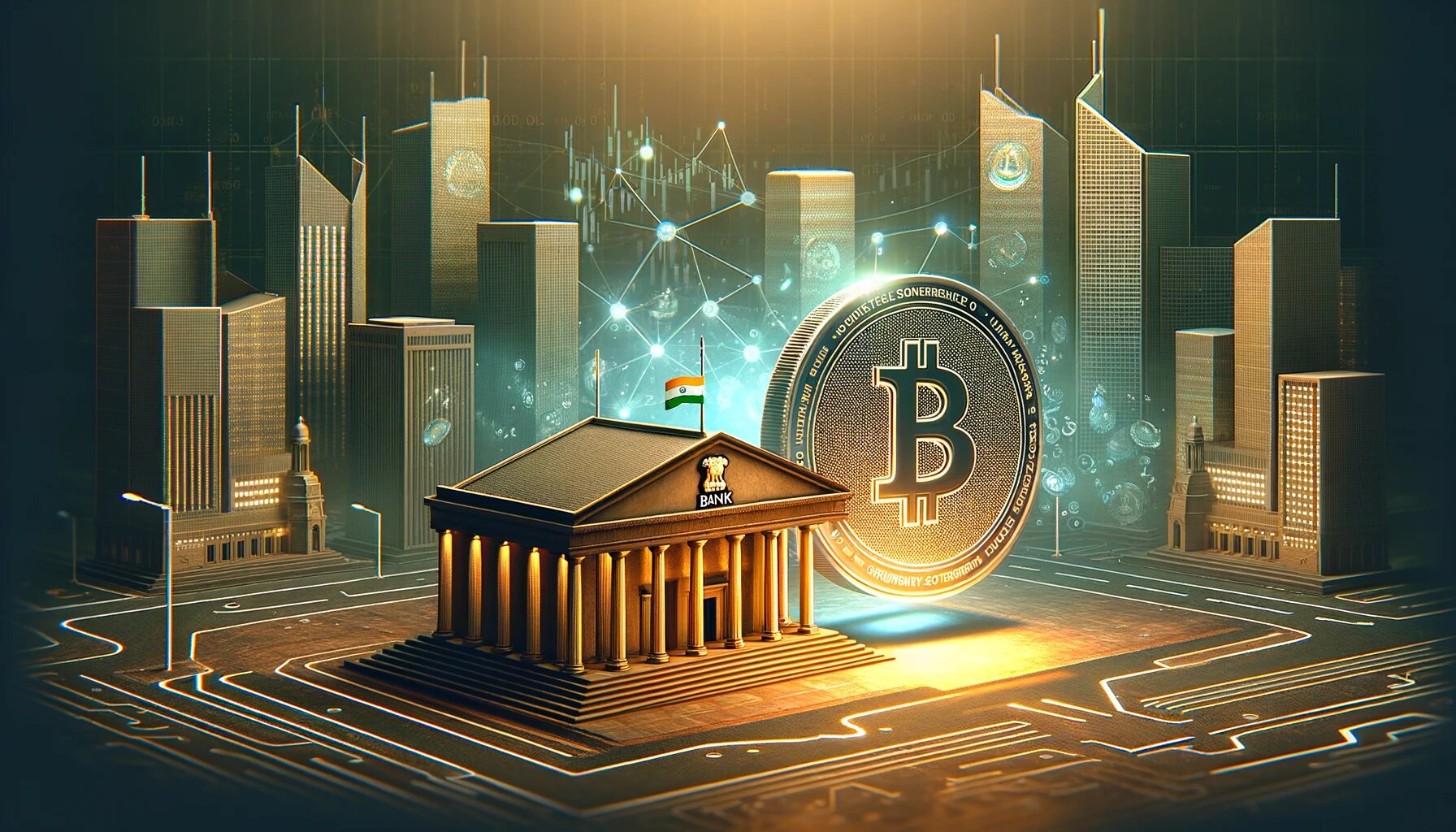
ប្រធាន RBI បន្លឺសំឡេងរោទិ៍៖ តើ Stablecoins អាចបំផ្លាញសេដ្ឋកិច្ចរបស់ប្រទេសឥណ្ឌាបានទេ?
ថ្មីៗនេះ ប្រធានធនាគារបម្រុងរបស់ប្រទេសឥណ្ឌាបានសម្តែងការព្រួយបារម្ភអំពីកាក់ស្ថិរភាព ដោយហៅពួកគេថាជាការគំរាមកំហែងដល់ឯករាជ្យភាពហិរញ្ញវត្ថុរបស់ប្រទេស។ Stablecoins គឺជាប្រភេទរូបិយប័ណ្ណឌីជីថលដែលគាំទ្រដោយទ្រព្យសម្បត្តិដូចជាប្រាក់ដុល្លារអាមេរិក។ ខណៈពេលដែលពួកគេផ្តល់ស្ថិរភាព ពួកគេក៏អាចប្រកួតប្រជែងការគ្រប់គ្រងរបស់ប្រទេសមួយលើប្រព័ន្ធប្រាក់របស់ខ្លួន។
ប្រធាន RBI មានការព្រួយបារម្ភថា ប្រសិនបើកាក់ស្ថិរភាពត្រូវបានប្រើប្រាស់យ៉ាងទូលំទូលាយនៅក្នុងប្រទេសឥណ្ឌា ពួកគេអាចចុះខ្សោយអំណាចរបស់ធនាគារបម្រុងក្នុងការគ្រប់គ្រងសេដ្ឋកិច្ច។ នៅក្នុងប្រព័ន្ធ stabilitycoin រូបិយប័ណ្ណត្រូវបានបញ្ជូលទៅមួយផ្សេងទៀត ជាញឹកញាប់បរទេស ទ្រព្យសកម្ម មានន័យថាការគ្រប់គ្រងស្ថិតនៅក្រៅប្រទេសឥណ្ឌា។ នេះកាត់បន្ថយសមត្ថភាពរបស់ RBI ក្នុងការរក្សាស្ថិរភាពសេដ្ឋកិច្ច ឥទ្ធិពលអតិផរណា ឬឆ្លើយតបទៅនឹងវិបត្តិនានា។
ប្រទេសឥណ្ឌាបានប្រុងប្រយ័ត្នរួចទៅហើយជាមួយនឹងរូបិយប័ណ្ណគ្រីបតូ ដោយដាក់ច្បាប់តឹងរ៉ឹង និងពន្ធ។ ប៉ុន្តែ Stablecoins បង្ហាញពីបញ្ហាប្រឈមថ្មីមួយ។ ពួកគេអនុញ្ញាតឱ្យមនុស្សប្រើប្រាស់ទ្រព្យសម្បត្តិឌីជីថលដោយផ្ទាល់ ដោយឆ្លងកាត់រូបិយប័ណ្ណក្នុងស្រុក និងធនាគារបែបប្រពៃណី។ វិធីសាស្រ្តផ្ទាល់នេះអាចហាក់ដូចជាទាក់ទាញសម្រាប់ពលរដ្ឋ ប៉ុន្តែចំពោះ RBI វាអាចធ្វើឲ្យរូបិយប័ណ្ណជាតិចុះខ្សោយ។
RBI ជឿជាក់ថាកាក់ថេរអាចក្លាយជា "សេះ Trojan" ដែលបំផ្លាញការការពាររូបិយវត្ថុរបស់ប្រទេសឥណ្ឌាបន្តិចម្តងៗ។ ប្រទេសប្រឈមមុខនឹងជម្រើសមួយ៖ ទទួលយកហិរញ្ញវត្ថុឌីជីថលជាមួយនឹងការគ្រប់គ្រង ឬរុញច្រានប្រឆាំងនឹងរលកនៃការផ្លាស់ប្តូរនេះ។ នៅពេលដែលប្រទេសឥណ្ឌាសម្រេចចិត្ត វានឹងកំណត់សម្លេងសម្រាប់អនាគតរបស់ខ្លួននៅក្នុងពិភពឌីជីថល។
Stablecoins in India: A Threat to Financial Independence?
As the world shifts towards digital assets, stablecoins have emerged as a hot topic for governments and financial institutions alike. Recently, India's Reserve Bank of India (RBI) Chief sounded the alarm, marking stablecoins as a potential threat to the nation’s monetary sovereignty.
In his view, stablecoins – digital currencies pegged to fiat money, like the U.S. dollar – could disrupt India’s control over its financial systems. For a nation that has carefully guarded its economic boundaries, stablecoins are seen as unsettling newcomers. If citizens widely adopt these digital assets, the RBI fears that its traditional mechanisms to stabilize currency, manage inflation, and regulate the economy may weaken. After all, if a stablecoin pegged to the U.S. dollar or another currency becomes the preferred medium for transactions, the power to control that currency lies outside India’s borders.
But why such a strong reaction? The RBI Chief’s concern stems from India’s cautious approach to financial innovation. With the nation recently implementing policies to regulate digital assets, including taxes on cryptocurrency transactions, it’s clear that India wants a say in how digital finance unfolds within its borders. Stablecoins, however, challenge that control by bypassing central banks and connecting users directly to a globally stable asset, potentially making Indian currency less appealing.
While some argue that stablecoins bring stability and accessibility, the RBI believes they might be a Trojan horse, slowly eroding the nation’s economic defenses. India faces a choice: embrace or curb this digital wave. As the debate around stablecoins and sovereignty unfolds, one thing is clear – the future of finance in India will hinge on the choices it makes in the face of global digital transformation.

 861.353 SRY