

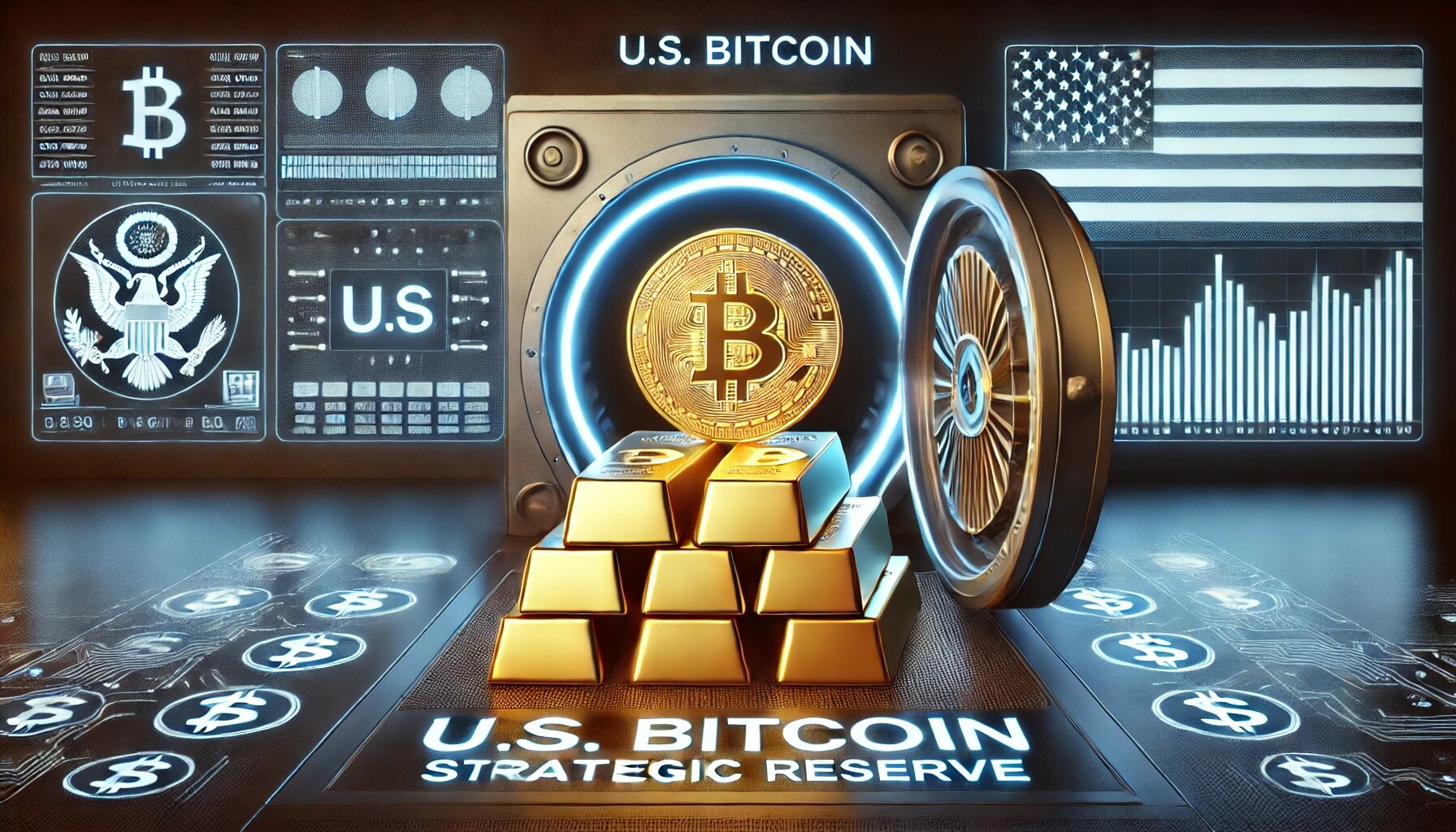
របៀបដែលសហរដ្ឋអាមេរិកគ្រោងនឹងប្រែក្លាយ Bitcoin ទៅជាខែលហិរញ្ញវត្ថុ
សហរដ្ឋអាមេរិកកំពុងមានការភ្ញាក់ផ្អើលជាមួយនឹងព័ត៌មានអំពីផែនការដ៏អង់អាចពីប្រធានាធិបតីជាប់ឆ្នោតលោក Donald Trump។ គំនិត? ដើម្បីបង្កើតទុនបម្រុងយុទ្ធសាស្ត្រ Bitcoin ស្រដៀងនឹងទុនបម្រុងប្រេងយុទ្ធសាស្ត្ររបស់ប្រទេស។ ការផ្លាស់ប្តូរនេះអាចផ្លាស់ប្តូរពិភពលោកហិរញ្ញវត្ថុ ដូចដែលយើងដឹងហើយ។
ផែនការនេះគឺដើម្បីស្តុកទុក Bitcoin ជាមធ្យោបាយមួយដើម្បីការពារប្រឆាំងនឹងអស្ថិរភាពសេដ្ឋកិច្ច និងរក្សាប្រាក់ដុល្លារអាមេរិកឱ្យរឹងមាំ។ អ្នកគាំទ្រនិយាយថា វាជាជំហានដ៏ឆ្លាតវៃមួយទៅកាន់អនាគត ដោយរួមបញ្ចូលគ្នានូវហិរញ្ញវត្ថុបែបប្រពៃណី ជាមួយនឹងថាមពលដែលកំពុងកើនឡើងនៃរូបិយប័ណ្ណគ្រីបតូ។
ប៉ុន្តែមិនមែនគ្រប់គ្នាយល់ស្របទេ។ អ្នករិះគន់ព្រួយបារម្ភអំពីហានិភ័យរបស់រដ្ឋាភិបាលដែលចូលក្នុងទីផ្សារគ្រីបតូ។ តើវាអាចជំរុញឱ្យតម្លៃ Bitcoin ឡើងលឿនពេកទេ? តើវានឹងប៉ះពាល់ដល់អ្នកវិនិយោគធម្មតាដែរឬទេ?
ទោះបីជាមានការជជែកវែកញែកក៏ដោយ តម្លៃរបស់ Bitcoin បានកើនឡើងដល់ទៅ 100,000 ដុល្លាររួចទៅហើយ។ អ្នកជំនាញជឿថានេះអាចនាំឱ្យប្រទេសផ្សេងទៀតចាប់ផ្តើមទុនបម្រុង Bitcoin ផ្ទាល់ខ្លួនរបស់ពួកគេ។
មិនថាអ្នកសម្រាប់ ឬប្រឆាំងនោះទេ រឿងមួយគឺច្បាស់ណាស់៖ Bitcoin មិនមែនជាទ្រព្យសម្បត្តិឌីជីថលទៀតទេ។ វាក្លាយជាផ្នែកសំខាន់នៃហិរញ្ញវត្ថុសកល។ សហរដ្ឋអាមេរិកមានឱកាសដឹកនាំការផ្លាស់ប្តូរនេះ ប៉ុន្តែមានពេលវេលាតែមួយគត់នឹងប្រាប់ថាតើវាជាការផ្លាស់ប្តូរដ៏ត្រឹមត្រូវឬអត់។
Trump's Bold Bitcoin Plan: A National Reserve to Shape the Future
As dawn breaks over a new financial era, the United States is abuzz with whispers of a groundbreaking initiative. President-elect Donald Trump has unveiled plans for a national Bitcoin Strategic Reserve, a move set to redefine America's economic landscape. This bold idea draws inspiration from the nation's Strategic Petroleum Reserve, aiming to bolster financial security and fortify the dollar's dominance in an increasingly digital world.
The concept is simple yet profound. By stockpiling Bitcoin, the government could safeguard against economic volatility while simultaneously cementing the U.S.'s position as a global financial leader. Advocates hail this as a visionary step, aligning traditional power structures with the unstoppable rise of decentralized finance.
Critics, however, are wary. They question the economic implications of government intervention in the volatile cryptocurrency market. Could such a move inadvertently manipulate Bitcoin's value? Might it lead to unintended consequences for private investors?
Despite the skepticism, markets have responded with enthusiasm. Bitcoin’s value recently surged past $100,000, fueled by anticipation of the U.S. government’s entry into the crypto space. Analysts suggest this could spark a global race, with other nations following suit to establish their own reserves.
As debates rage, one thing is clear: the proposal has thrust Bitcoin into the spotlight as more than just an asset; it’s now a potential tool of national strategy. With the world watching, the U.S. stands at the crossroads of innovation and tradition, ready to make a decision that could shape the future of global finance.

 4478.790 SRY